

What is the speed regulation range of a Central Impression Flexo Press?
As a supplier of Central Impression Flexo Presses, I've encountered numerous inquiries regarding the speed regulation range of these advanced printing machines. Understanding this crucial aspect is essential for businesses looking to optimize their printing operations and enhance productivity. In this blog post, I'll delve into the details of the speed regulation range of a Central Impression Flexo Press, exploring its significance, factors influencing it, and practical applications.
The Significance of Speed Regulation Range
The speed regulation range of a Central Impression Flexo Press refers to the minimum and maximum speeds at which the machine can operate effectively. This range plays a pivotal role in determining the flexibility and efficiency of the printing process. A wider speed regulation range allows printers to adapt to various printing requirements, including different substrate materials, ink types, and print quality standards.
For instance, when printing on delicate or thin substrates, a lower printing speed may be necessary to ensure precise registration and avoid substrate damage. On the other hand, high-speed printing is often required for large-volume production runs to meet tight deadlines and maximize productivity. By having a broad speed regulation range, printers can seamlessly switch between different printing speeds, thereby improving overall operational efficiency.
Factors Influencing the Speed Regulation Range
Several factors influence the speed regulation range of a Central Impression Flexo Press. Understanding these factors is crucial for selecting the right machine and optimizing its performance. Here are some key factors to consider:
- Mechanical Design: The mechanical design of the press, including the quality of its components and the precision of its construction, plays a significant role in determining its speed regulation range. High-quality presses with robust mechanical designs are typically capable of operating at higher speeds with greater stability and accuracy.
- Drive System: The drive system of the press, which includes the motors, gears, and belts, is another critical factor. Advanced drive systems with variable frequency drives (VFDs) allow for precise speed control and smooth acceleration and deceleration, enabling the press to operate within a wider speed range.
- Printing Technology: The type of printing technology used in the press can also affect its speed regulation range. For example, presses equipped with advanced printing technologies such as servo-driven print units and automatic registration systems can achieve higher speeds and better print quality compared to traditional presses.
- Substrate and Ink Compatibility: The characteristics of the substrate material and the ink used in the printing process can also impact the speed regulation range. Different substrates and inks have different drying times and adhesion properties, which may require adjustments to the printing speed to ensure optimal results.
Typical Speed Regulation Ranges
The speed regulation range of a Central Impression Flexo Press can vary depending on the specific model and manufacturer. However, most modern presses typically offer a speed regulation range of 50 to 500 meters per minute (m/min). This range allows printers to handle a wide variety of printing jobs, from small-scale, high-quality prints to large-volume, high-speed production runs.
For example, in the packaging industry, where high-speed printing is often required to meet the demands of mass production, presses with a maximum speed of 400 to 500 m/min are commonly used. On the other hand, in the label printing industry, where precision and quality are paramount, presses with a lower maximum speed of 100 to 200 m/min may be more suitable.
Practical Applications
The wide speed regulation range of a Central Impression Flexo Press makes it suitable for a variety of printing applications. Here are some common examples:
- Packaging Printing: Central Impression Flexo Presses are widely used in the packaging industry for printing on various packaging materials, such as paperboard, plastic films, and corrugated cardboard. The ability to adjust the printing speed allows printers to optimize the production process and ensure high-quality prints on different substrates.
- Label Printing: In the label printing industry, Central Impression Flexo Presses are used to print labels for a wide range of products, including food, beverages, cosmetics, and pharmaceuticals. The precise speed control and high print quality of these presses make them ideal for producing labels with intricate designs and fine details.
- Flexible Packaging Printing: Flexible packaging, such as pouches and bags, is another major application area for Central Impression Flexo Presses. The ability to print at high speeds on flexible substrates makes these presses well-suited for the production of flexible packaging products.
Choosing the Right Speed Regulation Range
When choosing a Central Impression Flexo Press, it's important to consider your specific printing requirements and production needs. Here are some tips to help you select the right speed regulation range:
- Assess Your Production Volume: If you have high-volume production requirements, you'll need a press with a higher maximum speed to ensure efficient production. On the other hand, if you primarily handle small-scale or short-run jobs, a press with a lower maximum speed may be sufficient.
- Consider the Substrate and Ink Types: Different substrates and inks may require different printing speeds to achieve optimal results. Make sure the press you choose can accommodate the specific substrates and inks you plan to use.
- Evaluate the Print Quality Requirements: If you require high-quality prints with fine details and precise registration, a press with a wider speed regulation range and advanced printing technologies may be necessary.
- Factor in Future Growth: Consider your future production needs and growth plans when selecting a press. Choosing a press with a wider speed regulation range can provide you with the flexibility to adapt to changing market demands and expand your business.
Conclusion
In conclusion, the speed regulation range of a Central Impression Flexo Press is a critical factor that can significantly impact the efficiency and productivity of your printing operations. By understanding the significance of the speed regulation range, the factors influencing it, and the practical applications of these presses, you can make an informed decision when choosing the right machine for your business.

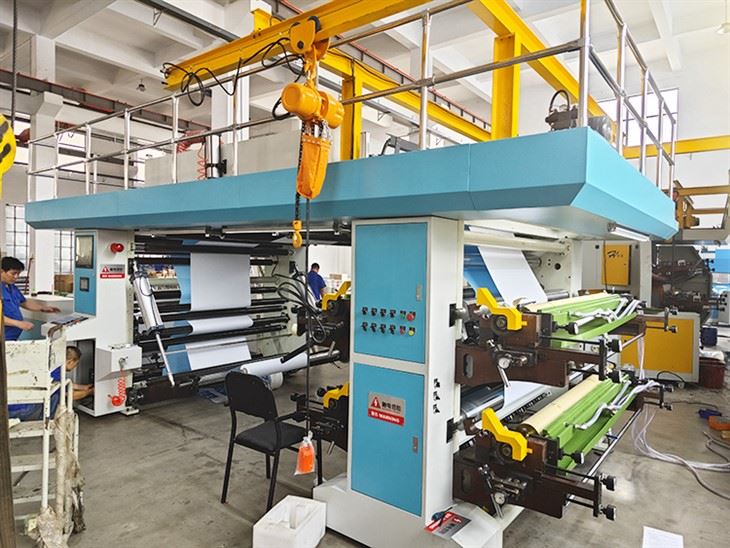
As a supplier of Central Impression Flexo Presses, we offer a wide range of high-quality presses with different speed regulation ranges to meet the diverse needs of our customers. Our Flexographic Printing Machine is designed with advanced technology and precision engineering to ensure reliable performance and exceptional print quality. For high-speed production requirements, our High Speed Ci Flexo Printing Machine offers a maximum speed of up to 500 m/min, allowing you to increase your productivity and meet tight deadlines. If you're looking for a versatile and efficient printing solution, our Flexographic Printing Machine is the perfect choice.
If you're interested in learning more about our Central Impression Flexo Presses or have any questions about the speed regulation range, please don't hesitate to contact us. Our team of experts is ready to assist you in finding the right printing solution for your business.
References
- Smith, J. (2020). Flexographic Printing Technology. New York: Printing Press Publications.
- Johnson, A. (2019). Central Impression Flexo Presses: A Comprehensive Guide. London: Printing Industry Journal.
- Brown, R. (2018). The Future of Flexographic Printing. Chicago: Printing Innovation Institute.