

In the realm of modern packaging and label printing, the PE CI Flexo Printing Machine stands as a paragon of efficiency and precision. As a trusted supplier of these advanced machines, I am often asked about the intricate control system that powers these remarkable pieces of equipment. In this blog post, I will delve into the details of what makes up the control system of a PE CI Flexo Printing Machine, exploring its components, functions, and the benefits it brings to the printing process.
Understanding the Basics of a PE CI Flexo Printing Machine
Before we dive into the control system, let's briefly understand what a PE CI Flexo Printing Machine is. CI stands for Central Impression, which means that the printing cylinders are all mounted around a large central impression cylinder. This design allows for high - speed printing with excellent registration and consistent print quality. The machine is specifically designed for printing on polyethylene (PE) materials, which are widely used in packaging applications such as plastic bags, pouches, and labels.
Components of the Control System
The control system of a PE CI Flexo Printing Machine is a complex network of hardware and software components that work in harmony to ensure smooth and accurate operation. Here are the key components:
Programmable Logic Controller (PLC)
The PLC is the brain of the control system. It is a rugged industrial computer that manages and coordinates all the machine's functions. The PLC receives input signals from various sensors located throughout the machine, such as those measuring speed, temperature, pressure, and position. Based on these inputs, it sends output signals to control the actuators, such as motors, valves, and solenoids. For example, it can adjust the speed of the printing cylinders, control the flow of ink, and manage the tension of the printing material.
Human - Machine Interface (HMI)
The HMI is the user interface through which operators interact with the machine. It typically consists of a touch - screen display that provides a graphical representation of the machine's status and allows operators to enter commands and set parameters. With the HMI, operators can easily monitor and control various aspects of the printing process, such as setting the number of printing colors, adjusting the printing speed, and checking the ink levels. It also provides real - time feedback on the machine's performance, such as error messages and diagnostic information.
Servo Drives and Motors
Servo drives and motors play a crucial role in the control system by providing precise motion control. They are used to drive the printing cylinders, anilox rollers, and other moving parts of the machine. The servo drives receive control signals from the PLC and adjust the speed and position of the motors accordingly. This ensures accurate registration between different printing colors and consistent print quality. For instance, in a High Speed 6 Color CI Flexo Printing Machine, the servo drives and motors work together to synchronize the movement of six printing units, allowing for high - speed and high - quality multi - color printing.
Sensors
Sensors are the eyes and ears of the control system. They are used to monitor various physical parameters of the machine, such as speed, temperature, pressure, and position. There are different types of sensors used in a PE CI Flexo Printing Machine, including encoder sensors for measuring the rotational speed and position of the cylinders, temperature sensors for monitoring the ink temperature, and pressure sensors for controlling the ink flow. The data collected by these sensors is sent to the PLC, which uses it to make real - time adjustments to the machine's operation.
Ink Control System
The ink control system is an important part of the overall control system. It is responsible for ensuring that the right amount of ink is applied to the printing plate at the right time. This system typically consists of ink pumps, valves, and flow meters. The PLC controls the operation of the ink pumps and valves based on the printing requirements and the feedback from the sensors. For example, if the print job requires a higher ink density, the PLC will increase the flow rate of the ink.
Functions of the Control System
The control system of a PE CI Flexo Printing Machine performs several important functions that contribute to the overall efficiency and quality of the printing process:
Registration Control
Registration control is one of the most critical functions of the control system. It ensures that the different printing colors are accurately aligned on the printing material. The control system uses sensors to detect the position of the printing cylinders and adjusts their movement in real - time to maintain precise registration. This is essential for producing high - quality multi - color prints, especially in applications where the registration tolerance is very tight, such as in the printing of labels and packaging with complex designs.
Speed and Tension Control
The control system also manages the speed and tension of the printing material. It maintains a constant speed of the printing cylinders to ensure consistent print quality. At the same time, it controls the tension of the material as it passes through the machine to prevent wrinkles, stretching, or tearing. By adjusting the speed and tension, the control system can optimize the printing process for different types of materials and printing requirements.

Ink Management
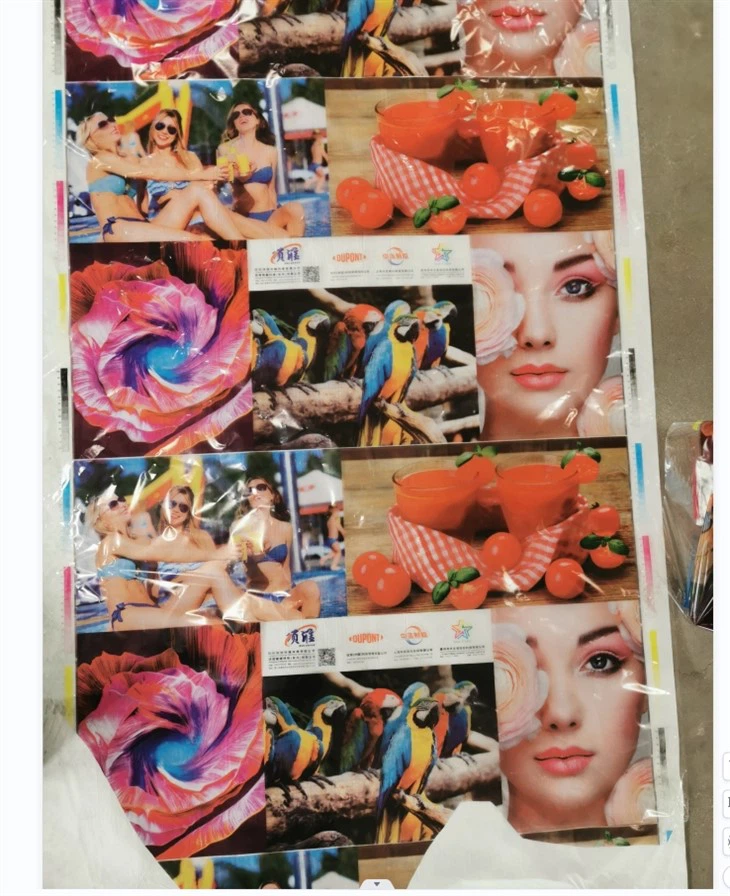
Proper ink management is crucial for achieving good print quality. The control system monitors and controls the ink flow, viscosity, and temperature. It ensures that the ink is evenly distributed on the printing plate and that the right amount of ink is transferred to the material. This helps to produce sharp, clear, and vibrant prints.
Fault Diagnosis and Alarm System
The control system is equipped with a fault diagnosis and alarm system that detects and reports any malfunctions or abnormalities in the machine. When a problem is detected, the system immediately generates an alarm signal and displays an error message on the HMI. This allows operators to quickly identify and troubleshoot the issue, minimizing downtime and reducing the risk of damage to the machine.
Benefits of the Control System
The advanced control system of a PE CI Flexo Printing Machine offers several benefits to printers:
Improved Print Quality
By providing precise control over registration, speed, tension, and ink management, the control system ensures high - quality prints with sharp images, accurate colors, and consistent results. This is essential for meeting the demanding requirements of the packaging and label printing industry.
Increased Productivity
The automation and real - time control capabilities of the system allow for faster setup times, reduced waste, and higher production speeds. Printers can complete jobs more quickly and efficiently, increasing their overall productivity and profitability.
Ease of Operation
The user - friendly HMI makes it easy for operators to control and monitor the machine. They can quickly adjust the settings and parameters without the need for extensive technical knowledge. This reduces the training time for new operators and improves the overall efficiency of the printing process.
Remote Monitoring and Maintenance
Many modern PE CI Flexo Printing Machines are equipped with remote monitoring capabilities. This allows technicians to access the machine's control system remotely, diagnose problems, and even perform software updates. It enables proactive maintenance, reducing the risk of unexpected breakdowns and minimizing downtime.
Conclusion
The control system of a PE CI Flexo Printing Machine is a sophisticated and essential component that enables high - quality, efficient, and reliable printing. As a Ci Flexo Printing Machine supplier, we are committed to providing our customers with the latest and most advanced control technology to meet their printing needs. Whether you are looking for a Central Impression Flexo Printing Machine for general packaging printing or a high - speed multi - color machine for specialized applications, our control systems are designed to deliver outstanding performance.
If you are interested in learning more about our PE CI Flexo Printing Machines and their control systems, or if you are considering purchasing a new machine for your printing business, please feel free to contact us. Our team of experts is ready to assist you in choosing the right machine and providing you with the support and service you need to succeed in the competitive printing industry.
References
- "Flexographic Printing Technology", Flexographic Technical Association.
- "Industrial Automation Handbook", Various authors.
- Manufacturer's manuals for PE CI Flexo Printing Machines.