

A Stack Flexo Printer is a remarkable piece of equipment in the printing industry, known for its versatility and efficiency. As a supplier of Stack Flexo Printers, I've witnessed firsthand the impact these machines have on various printing applications. In this blog, we'll delve into the footprint of a Stack Flexo Printer, exploring its physical, environmental, and economic aspects.
Physical Footprint
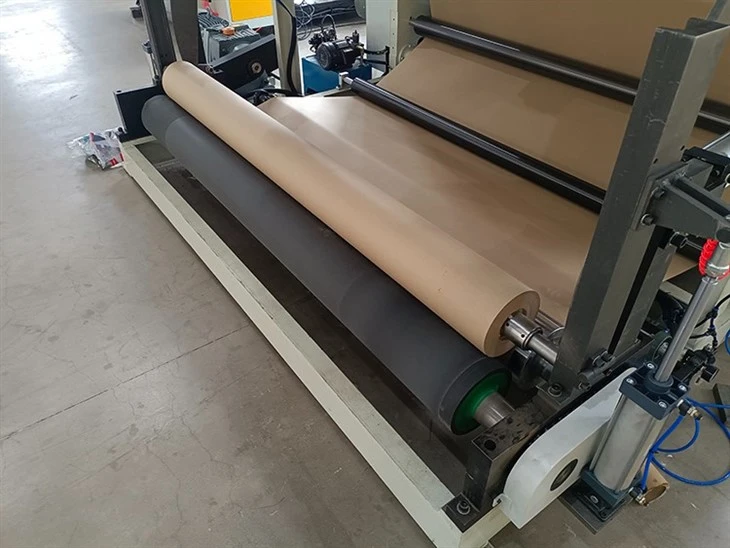
The physical footprint of a Stack Flexo Printer refers to the amount of space it occupies in a production facility. This is a crucial consideration for businesses, especially those with limited floor space. Stack Flexo Printers are designed with a vertical stack configuration, which allows for multiple printing units to be stacked on top of each other. This design not only saves space but also enables seamless integration into existing production lines.
Compared to other types of printing machines, Stack Flexo Printers have a relatively compact footprint. The vertical stacking of printing units reduces the overall length and width of the machine, making it ideal for small to medium - sized printing facilities. For example, our Stack Flexo Printers can be customized to fit specific space requirements, ensuring that they can be installed even in tight corners of a factory.
However, it's important to note that the physical footprint also includes the space required for maintenance and operation. Adequate clearance around the machine is necessary for technicians to access different parts for servicing, cleaning, and troubleshooting. Additionally, space for loading and unloading materials, as well as for storing printing supplies such as ink and plates, should be factored into the overall physical footprint calculation.
Environmental Footprint
In today's environmentally conscious world, the environmental footprint of industrial equipment is a significant concern. A Stack Flexo Printer's environmental impact can be evaluated in several ways, including energy consumption, waste generation, and the use of eco - friendly materials.
Energy Consumption
Stack Flexo Printers are generally designed to be energy - efficient. Modern models are equipped with advanced motors and control systems that optimize power usage. For instance, the use of variable frequency drives (VFDs) allows the printer to adjust its energy consumption based on the printing speed and load. This means that during periods of low - intensity printing, the machine consumes less energy, resulting in cost savings and a reduced carbon footprint.
Waste Generation
One of the key environmental benefits of Stack Flexo Printers is their relatively low waste generation. Flexographic printing uses flexible printing plates that can be reused multiple times, reducing the amount of plate waste. Additionally, the inks used in flexographic printing are often water - based, which are more environmentally friendly than solvent - based inks. Water - based inks produce fewer volatile organic compounds (VOCs), which are harmful to the environment and human health.
However, proper waste management is still essential. Spent ink cartridges, cleaning solvents, and damaged printing plates need to be disposed of correctly to minimize their environmental impact. Many of our Stack Flexo Printers are designed with features that facilitate easy cleaning and ink recovery, further reducing waste.
Use of Eco - Friendly Materials
As a supplier, we are committed to promoting the use of eco - friendly materials in our Stack Flexo Printers. We offer options for using biodegradable printing substrates, such as recycled paper and cardboard, which can significantly reduce the environmental impact of the printing process. Moreover, we are constantly researching and developing new technologies to make our printers more sustainable, such as using renewable energy sources to power the machines.

Economic Footprint
The economic footprint of a Stack Flexo Printer encompasses its cost of acquisition, operation, and the return on investment (ROI) it generates for businesses.
Cost of Acquisition
The initial cost of a Stack Flexo Printer can vary depending on its size, features, and the number of printing units. However, compared to some other high - end printing technologies, Stack Flexo Printers offer a cost - effective solution for many printing applications. Our company provides a range of models to suit different budgets, from entry - level machines for small businesses to high - performance printers for large - scale production.
Cost of Operation
The cost of operating a Stack Flexo Printer includes expenses such as energy consumption, ink, plates, and maintenance. As mentioned earlier, the energy - efficient design of modern Stack Flexo Printers helps to keep energy costs down. Additionally, the use of water - based inks and reusable printing plates can reduce the cost of consumables. Regular maintenance is crucial to ensure the smooth operation of the printer and to prevent costly breakdowns. Our company offers comprehensive maintenance packages to help businesses manage their operating costs effectively.
Return on Investment
A Stack Flexo Printer can generate a significant ROI for businesses. Its high - speed printing capabilities and ability to produce high - quality prints allow companies to increase their production output and improve the quality of their products. This, in turn, can lead to increased sales and customer satisfaction. For example, businesses in the packaging industry can use Stack Flexo Printers to print attractive labels and designs on their products, enhancing their marketability.
Applications and Market Impact
Stack Flexo Printers have a wide range of applications across various industries. They are commonly used in the packaging industry for printing on materials such as plastic films, paperboard, and PP Woven Sack Flexo Printing Machine. The ability to print high - quality graphics and text on different substrates makes them an ideal choice for packaging manufacturers.
In the non - woven bag industry, Flexo Printing Machine For Non Woven Bags are also widely used. These machines can print vibrant colors and detailed designs on non - woven fabrics, adding value to the final product.
For smaller - scale printing jobs, Two Color Flexo Printing Machine offer a cost - effective solution. They are suitable for printing simple designs and text on various materials, making them popular among small businesses and startups.
The market for Stack Flexo Printers is growing steadily, driven by the increasing demand for high - quality printing in the packaging and consumer goods industries. As more businesses recognize the benefits of Stack Flexo Printers, the demand for these machines is expected to continue to rise.
Conclusion
In conclusion, the footprint of a Stack Flexo Printer is multi - faceted, encompassing its physical, environmental, and economic aspects. Its compact physical design makes it suitable for a variety of production facilities, while its energy - efficient operation and low waste generation contribute to a reduced environmental impact. Economically, it offers a cost - effective solution with a high potential for ROI.
If you're considering investing in a Stack Flexo Printer for your business, we encourage you to contact us for more information. Our team of experts can provide you with detailed product specifications, pricing, and help you determine the best model for your specific needs. Whether you're a small business looking to expand your printing capabilities or a large - scale manufacturer aiming to improve efficiency, our Stack Flexo Printers can be the ideal solution.
References
- "Flexographic Printing Technology" by XYZ Publishing
- Industry reports on the packaging and printing industry