

As a supplier of Stack Flexo Printers, I understand the critical importance of meeting specific requirements when it comes to printing on medical packaging materials. Medical packaging serves not only as a container for medical products but also as a medium to convey essential information about the product, such as usage instructions, expiration dates, and safety warnings. Therefore, the printing process on these materials must adhere to strict standards to ensure the safety and efficacy of the medical products. In this blog, I will discuss the key requirements for printing on medical packaging materials using a Stack Flexo Printer.
Material Compatibility
One of the primary requirements for printing on medical packaging materials is ensuring compatibility between the printer, the ink, and the packaging material itself. Medical packaging materials come in various forms, including plastics, paper, and foil. Each material has unique surface properties that can affect the adhesion and durability of the printed image.
For instance, plastic materials, such as polyethylene (PE) and polypropylene (PP), are commonly used in medical packaging due to their excellent barrier properties. However, these materials have low surface energy, which can make it challenging for the ink to adhere properly. To overcome this issue, the packaging material may need to be treated with a surface treatment, such as corona treatment, to increase its surface energy and improve ink adhesion.
Paper-based medical packaging materials, on the other hand, require inks that are fast-drying and have good penetration properties. This ensures that the ink does not smudge or rub off during handling and storage. Additionally, the ink should be resistant to moisture and chemicals to prevent the printed information from fading or becoming illegible.
Foil packaging materials are often used for high-barrier applications, such as pharmaceutical blister packs. When printing on foil, the ink must have excellent adhesion and flexibility to withstand the forming and sealing processes. Specialized inks, such as metallic inks, may also be required to achieve the desired visual effect.
Ink Safety and Compliance
In addition to material compatibility, the ink used for printing on medical packaging materials must meet strict safety and compliance standards. Medical products are intended for human use, and any contamination from the ink can pose a significant risk to the patient's health. Therefore, the ink must be non-toxic, odorless, and free from harmful substances, such as heavy metals, phthalates, and volatile organic compounds (VOCs).
Many countries and regulatory bodies have established specific regulations and standards for inks used in medical packaging. For example, the European Union's Food Contact Materials Regulation (EC) No 1935/2004 sets out the requirements for materials and articles intended to come into contact with food, including medical packaging. In the United States, the Food and Drug Administration (FDA) regulates the use of inks in medical packaging under the Federal Food, Drug, and Cosmetic Act (FD&C Act).
To ensure compliance with these regulations, ink manufacturers must conduct extensive testing and provide documentation to demonstrate the safety and suitability of their products for medical packaging applications. As a Stack Flexo Printer supplier, we work closely with ink manufacturers to ensure that the inks used in our printers meet all relevant safety and compliance standards.
Print Quality and Accuracy
Print quality and accuracy are crucial when it comes to medical packaging. The printed information on the packaging must be clear, legible, and accurate to ensure that healthcare professionals and patients can easily understand and follow the instructions. Any errors or inconsistencies in the printed information can lead to confusion, misinterpretation, and potentially serious consequences.
A Stack Flexo Printer offers several advantages when it comes to achieving high print quality and accuracy. The printer uses a flexible printing plate, which allows for precise control over the ink transfer process. This results in sharp, crisp images and text with excellent definition and resolution.
In addition, the Stack Flexo Printer can print multiple colors simultaneously, which is essential for creating eye-catching and informative packaging designs. The printer also offers high-speed printing capabilities, which allows for efficient production of large quantities of medical packaging materials.
To ensure print quality and accuracy, it is important to use high-quality printing plates and inks. The printing plates should be properly maintained and cleaned to prevent any buildup of ink or debris, which can affect the print quality. The inks should also be carefully selected and tested to ensure that they meet the required color standards and adhesion properties.

Hygiene and Cleanliness
Maintaining hygiene and cleanliness is of utmost importance in the medical packaging industry. The packaging materials and the printing equipment must be kept free from contaminants, such as dust, dirt, and microorganisms, to prevent any contamination of the medical products.
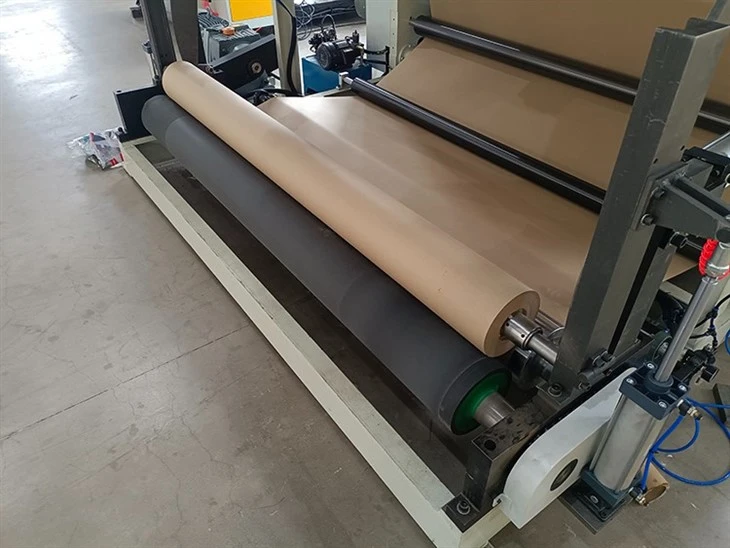
A Stack Flexo Printer should be designed and constructed to meet the highest hygiene standards. The printer should have a smooth, easy-to-clean surface to prevent the accumulation of dirt and debris. It should also be equipped with a dust extraction system to remove any dust generated during the printing process.
In addition, the printer should be regularly cleaned and sanitized to prevent the growth of bacteria and other microorganisms. This can be done using a suitable cleaning agent and following the manufacturer's recommended cleaning procedures.
Traceability and Documentation
Traceability and documentation are essential in the medical packaging industry to ensure the safety and quality of the medical products. The printing process should be carefully monitored and documented to provide a complete record of the production process, including the date and time of printing, the batch number of the packaging material, and the type and quantity of ink used.
A Stack Flexo Printer can be equipped with a variety of sensors and monitoring systems to track and record the printing process. This information can be stored in a database and used for quality control purposes, as well as for regulatory compliance.
In addition, the printer can be integrated with a barcode or QR code printing system to provide unique identification for each package. This allows for easy tracking and tracing of the medical products throughout the supply chain, from the manufacturer to the end-user.
Conclusion
Printing on medical packaging materials using a Stack Flexo Printer requires careful consideration of several key requirements, including material compatibility, ink safety and compliance, print quality and accuracy, hygiene and cleanliness, and traceability and documentation. By ensuring that these requirements are met, we can help our customers produce high-quality medical packaging materials that meet the strictest safety and regulatory standards.
If you are interested in learning more about our Stack Flexo Printers or have any questions about printing on medical packaging materials, please do not hesitate to [contact us for procurement and negotiation]. We would be happy to discuss your specific requirements and provide you with a customized solution.
References
- European Union's Food Contact Materials Regulation (EC) No 1935/2004
- Federal Food, Drug, and Cosmetic Act (FD&C Act)